TL;DR
-
Asthma is marked by airway constriction and inflammation of mucus membranes.
-
A 2012 randomized trial showed that a high-antioxidant diet improved lung function and reduced inflammation in asthma patients, while carotenoid supplements alone had no effect.
-
Conventional medicine rarely mentions diet in asthma care (see Am Fam Physician 2021;104(5):446–447).
-
Decades of research show fruits, vegetables, Mediterranean-style diets improve outcomes, while fast food and high-fat diets worsen asthma.
-
Think of diet not as treatment (a medical concept) but as common sense: nutrient-rich foods support healthier breathing.
What Medicine Says vs. What Science Shows
Just for fun, we looked at asthma recommendations in American Family Physician (2021;104(5):446-447). Diet was barely mentioned — the focus was entirely on drugs and procedures. That’s the problem with modern healthcare: we spend over $4 trillion a year chasing the most profitable, patentable solutions instead of the simplest, most effective ones like diet and lifestyle.
Asthma is not just about tight airways — it also involves inflammation of the mucus membranes and, in severe cases, excess mucus production. A nutrient-rich diet, especially one high in antioxidants from fruits and vegetables, can help protect the lining of the airways.
Carotenoids — the colorful pigments in produce like carrots, tomatoes, and leafy greens — are especially important. Beta-carotene is the best-known and has the highest vitamin A activity, but other carotenoids like lycopene, lutein, zeaxanthin, and astaxanthin also contribute to airway protection.
Clinical Trial Evidence
A randomized, placebo-controlled trial in the American Journal of Clinical Nutrition (2012;96(3):534-543) link studied 137 adults with asthma. For two weeks, one group ate a high-antioxidant diet (five servings of vegetables and two fruits per day). Another group ate a low-antioxidant diet (under two servings of vegetables and one fruit), with either a lycopene supplement or placebo.
- Those on the high-antioxidant diet had better lung function (improved FEV₁ and FVC%).
- The low-antioxidant group showed an increase in C-reactive protein (CRP), a marker of inflammation.
- Lycopene supplementation alone did not help — whole foods worked, pills didn’t.
Decades of Evidence on Diet and Asthma
We have known about the importance of diet for decades. Here are just a few older studies (cited in Nutr Rev. 2020 May 1;78(11):928–938):
- Butland BK, Strachan DP, Anderson HR.. Fresh fruit intake and asthma symptoms in young British adults: confounding or effect modification by smoking? Eur Respir J. 1999;13:744–750. [DOI] [PubMed] [Google Scholar]
- Knekt P, Kumpulainen J, Järvinen R, et al. Flavonoid intake and risk of chronic diseases. Am J Clin Nutr. 2002;76:560–568. [DOI] [PubMed] [Google Scholar]
- Romieu I, Varraso R, Avenel V, et al. Fruit and vegetable intakes and asthma in the E3N study. Thorax. 2006;61:209–215. [DOI] [PMC free article] [PubMed] [Google Scholar]
- Uddenfeldt M, Janson C, Lampa E, et al. High BMI is related to higher incidence of asthma, while a fish and fruit diet is related to a lower- results from a long-term follow-up study of three age groups in Sweden. Respir Med. 2010;104:972–980. [DOI] [PubMed] [Google Scholar]
- Willers SM, Wijga AH, Brunekreef B, et al. Childhood diet and asthma and atopy at 8 years of age: the PIAMA birth cohort study. Eur Respir J. 2011;37:1060–1067. [DOI] [PubMed] [Google Scholar]
- La Vecchia C, Decarli A, Pagano R.. Vegetable consumption and risk of chronic disease. Epidemiology. 1998;9:208–210. [PubMed] [Google Scholar]
- Seyedrezazadeh E, Moghaddam MP, Ansarin K, et al. Fruit and vegetable intake and risk of wheezing and asthma: a systematic review and meta-analysis. Nutr Rev. 2014;72:411–428. [DOI] [PubMed] [Google Scholar]
- Hosseini B, Berthon BS, Wark P, et al. Effects of fruit and vegetable consumption on risk of asthma, wheezing and immune responses: a systematic review and meta-analysis. Nutrients. 2017;9:341. [DOI] [PMC free article] [PubMed] [Google Scholar]
- Shaheen SO, Sterne JA, Thompson RL, et al. Dietary antioxidants and asthma in adults: population-based case-control study. Am J Respir Crit Care Med. 2001;164:1823–1828. [DOI] [PubMed] [Google Scholar]
- Ellwood P, Asher MI, García-Marcos L, et al. , and the ISAAC Phase III Study Group. Do fast foods cause asthma, rhinoconjunctivitis and eczema? Global findings from the International Study of Asthma and Allergies in Childhood (ISAAC) phase three. Thorax. 2013;68:351–360. [DOI] [PubMed] [Google Scholar]
- Iikura M, Yi S, Ichimura Y, et al. Effect of lifestyle on asthma control in Japanese patients: importance of periodical exercise and raw vegetable diet. PLoS One. 2013;8:e68290. [DOI] [PMC free article] [PubMed] [Google Scholar]
- Wood LG, Garg ML, Smart JM, et al. Manipulating antioxidant intake in asthma: a randomized controlled trial. Am J Clin Nutr. 2012;96:534–543. [DOI] [PubMed] [Google Scholar]
- Patel BD, Welch AA, Bingham SA, et al. Dietary antioxidants and asthma in adults. Thorax. 2006;61:388–393. [DOI] [PMC free article] [PubMed] [Google Scholar]
- Wood LG, Garg ML, Powell H, et al. Lycopene-rich treatments modify noneosinophilic airway inflammation in asthma: proof of concept. Free Radic Res. 2008;42:94–102. [DOI] [PubMed] [Google Scholar]
- Baines KJ, Wood LG, Gibson PG.. The nutrigenomics of asthma: molecular mechanisms of airway neutrophilia following dietary antioxidant withdrawal. Omics J Integr Biol. 2009;13:355–365. [DOI] [PubMed] [Google Scholar]
- Han Y-Y, Forno E, Brehm JM, et al. Diet, interleukin-17, and childhood asthma in Puerto Ricans. Ann Allergy Asthma Immunol. 2015;115:288–293.e1. [DOI] [PMC free article] [PubMed] [Google Scholar]
- Woods RK, Walters EH, Raven JM, et al. Food and nutrient intakes and asthma risk in young adults. Am J Clin Nutr. 2003;78:414–421. [DOI] [PubMed] [Google Scholar]
- Haas F, Bishop MC, Salazar-Schicchi J, et al. Effect of milk ingestion on pulmonary function in healthy and asthmatic subjects. J Asthma. 1991;28:349–355. [DOI] [PubMed] [Google Scholar]
- Woods RK, Weiner JM, Abramson M, et al. Do dairy products induce bronchoconstriction in adults with asthma?. J Allergy Clin Immunol. 1998;101:45–50. [DOI] [PubMed] [Google Scholar]
- Nguyen MT. Effect of cow milk on pulmonary function in atopic asthmatic patients. Ann Allergy Asthma Immunol. 1997;79:62–64. [DOI] [PubMed] [Google Scholar]
- Yusoff NA, Hampton SM, Dickerson JW, et al. The effects of exclusion of dietary egg and milk in the management of asthmatic children: a pilot study. J R Soc Promot Health. 2004;124:74–80. [DOI] [PubMed] [Google Scholar]
- S. Department of Health and Human Services and U.S. Department of Agriculture. 2015-2020 Dietary Guidelines for Americans: 144.
- Quann EE, Fulgoni VL, Auestad N.. Consuming the daily recommended amounts of dairy products would reduce the prevalence of inadequate micronutrient intakes in the United States: diet modeling study based on NHANES 2007–2010. Nutr J. 2015;14:90. [DOI] [PMC free article] [PubMed] [Google Scholar]
- Kim J-H, Ellwood PE, Asher MI.. Diet and asthma: looking back, moving forward. Respir Res. 2009;10:49. [DOI] [PMC free article] [PubMed] [Google Scholar]
- Bermudez OI, Tucker KL.. Trends in dietary patterns of Latin American populations. Cad Saude Publica. 2003;19(suppl 1):S87–S99. [DOI] [PubMed] [Google Scholar]
- Lee-Kwan SH. Disparities in state-specific adult fruit and vegetable consumption – United States, 2015. MMWR Morb Mortal Wkly Rep. 2017;66:1241–1247. [DOI] [PMC free article] [PubMed] [Google Scholar]
Bottom Line
Asthma isn’t just about inhalers and prescriptions. The evidence is overwhelming: diet shapes airway inflammation and lung function. Antioxidant-rich foods like fruits and vegetables support healthier lungs, while fast food and poor diets worsen asthma risk.
Don’t think of this as treatment — that is a medical concept. Think of it as common sense: the food you eat directly affects how well you breathe.
FAQs
Q1. Can diet really improve asthma symptoms?
Yes. A 2012 clinical trial showed that people with asthma on a high-antioxidant diet had better lung function and lower inflammation compared to those on a low-antioxidant diet.
Q2. Do carotenoid supplements help with asthma?
Not on their own. Lycopene supplements did not improve asthma outcomes in clinical trials, while diets rich in fruits and vegetables did.
Q3. What foods are best for people with asthma?
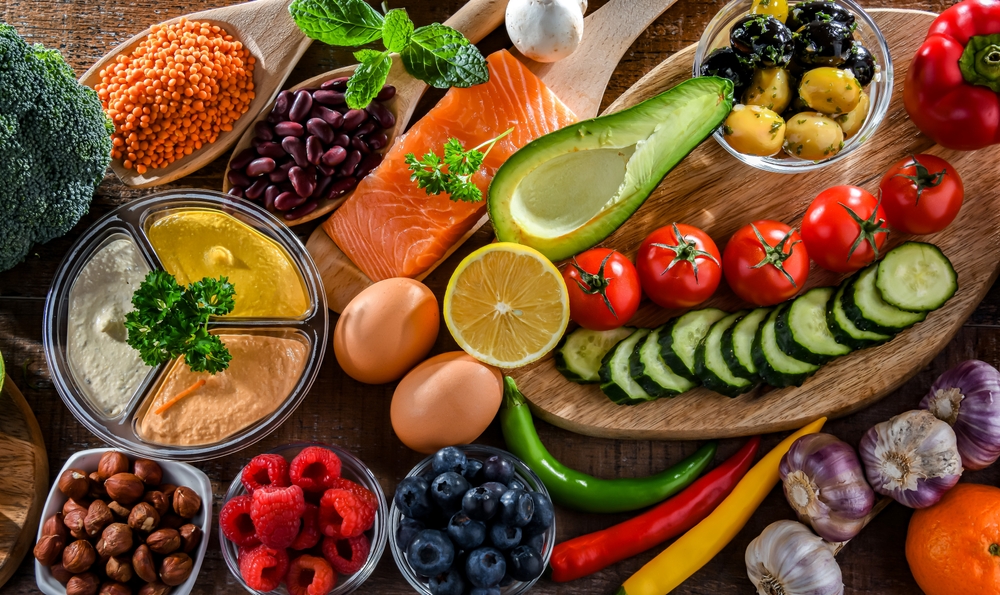
Antioxidant-rich fruits and vegetables such as carrots, leafy greens, tomatoes, citrus, and berries. Mediterranean diets, which emphasize produce, legumes, fish, and olive oil, are consistently linked with lower asthma risk.
Q4. Which foods worsen asthma?
Studies show fast food, processed foods, and high-fat diets are associated with increased asthma symptoms and worse disease control.
Disclaimer: Educational purposes only. Not medical advice. For individualized guidance, consult doctors trained in natural healthcare.