
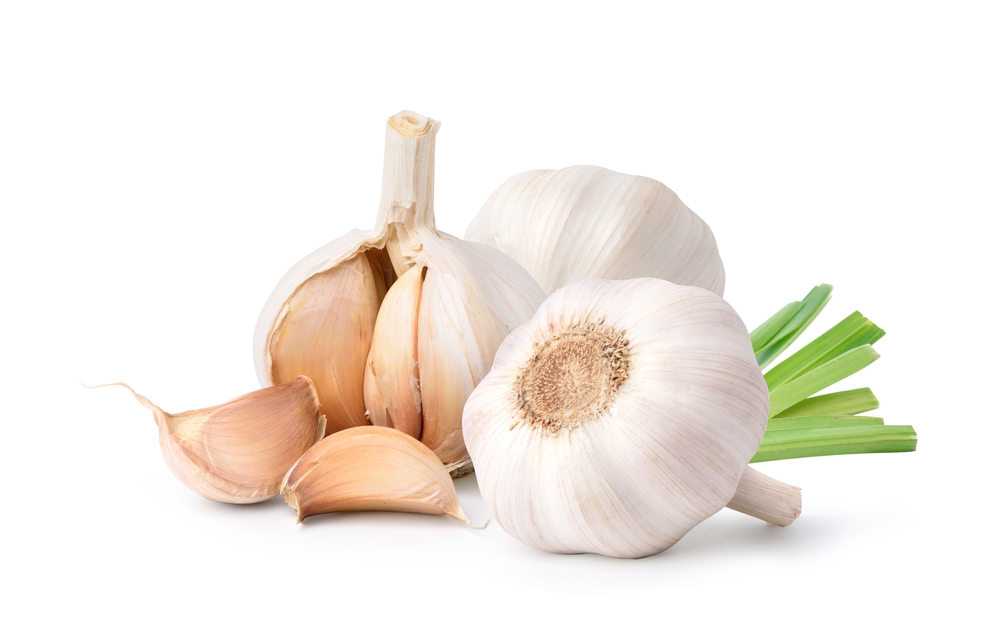
The effect of garlic on cholesterol has been studied in numerous trials. One meta-analysis included 39 primary trials of the effect of garlic preparations on total cholesterol, low-density lipoprotein cholesterol, high-density lipoprotein cholesterol, and triglycerides. The findings suggest garlic to be effective in reducing total serum cholesterol by 17 ± 6 mg/dL and low-density lipoprotein cholesterol by 9 ± 6 mg/dL in individuals with elevated total cholesterol levels (>200 mg/dL), provided garlic is used for longer than 2 months. An 8% reduction in total serum cholesterol is of clinical relevance and is associated with a 38% reduction in risk of coronary events at 50 years of age. High-density lipoprotein cholesterol levels improved only slightly, and triglycerides were not influenced significantly. Garlic preparations were highly tolerable in all trials and were associated with minimal side effects. They might be considered as an alternative option with a higher safety profile than conventional cholesterol-lowering medications in patients with slightly elevated cholesterol [1]. Read more about cholesterol medication.
Since the 2013 Nutrition Reviews meta-analysis, newer reviews of randomized trials confirm a modest lipid benefit with garlic. A 2024 meta-analysis reported average reductions of about 14 mg/dL in total cholesterol and 8 mg/dL in LDL-C, with a small HDL-C increase; triglyceride results were mixed—some analyses show reductions, others do not. Overall, garlic appears safe and well tolerated, and can be a useful adjunct to diet and lifestyle for people with mildly elevated cholesterol. Don’t think of this as treatment—think of it as something to help.