Vitamin C and Shingles (Herpes Zoster)
Vitamin C levels are consistently lower in patients suffering from nerve pain (neuralgia) caused by herpes viruses [1].
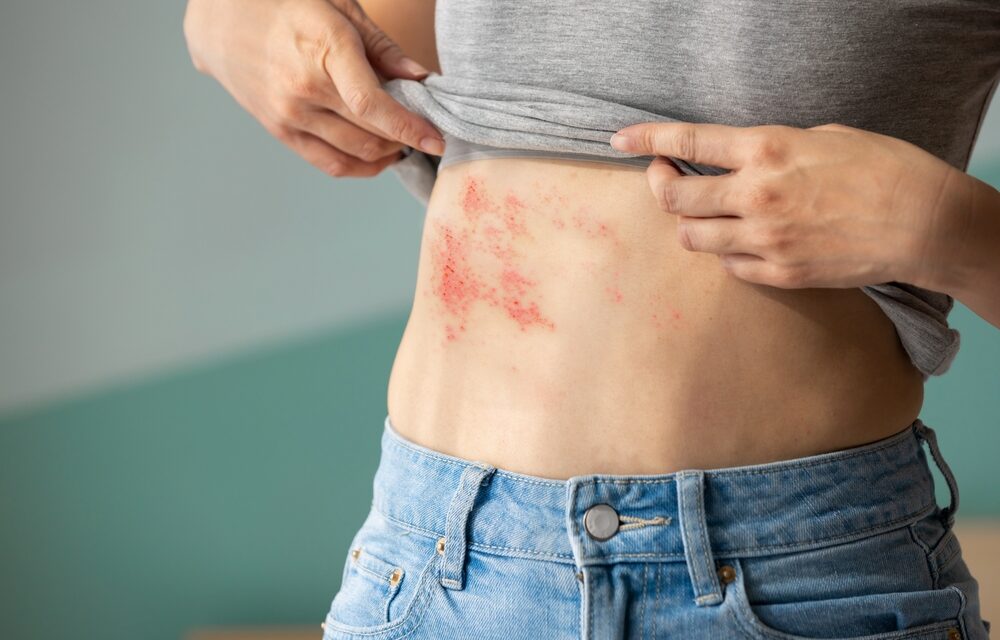
An observational study followed 67 patients with herpes zoster (shingles) who received intravenous (IV) vitamin C alongside standard therapy for two weeks. Over 20 months of observation, those receiving IV vitamin C reported less fatigue, smaller skin lesions, and improved concentration during recovery. Follow-up at two and twelve weeks showed measurable improvements compared with typical recovery patterns [2].
Since then, most research has not found oral vitamin C to be effective for shingles, but there is continued support for high-dose intravenous vitamin C as an adjunct therapy [3,4,5]. This makes sense biologically—vitamin C is a powerful antioxidant and supports immune and antiviral function [6].
Educational only — not medical advice. Always consult a doctor trained in natural healthcare for individualized guidance.
FAQs About Vitamin C and Shingles
Q: Does vitamin C help shingles heal faster?
A: Some studies suggest that intravenous (IV) vitamin C can reduce fatigue, nerve pain, and lesion size during shingles recovery. More research is needed, but results are encouraging.
Q: Can I just take vitamin C pills for shingles?
A: Oral vitamin C hasn’t shown the same benefit. Most of the positive findings involve high-dose IV vitamin C given under medical supervision.
References
- Nutrient deficiencies as a risk factor in Taiwanese patients with postherpetic neuralgia. Br J Nutr. 2011;106(5):700–707.
- Med Sci Monit. 2012 Apr;18(4):CR215-24 Intravenous vitamin C in the treatment of shingles: results of a multicenter prospective cohort study
- Treatment of postherpetic neuralgia with intravenous administration of vitamin C. Anesth Analg. 2006;103(6):1616–1617.
- Intravenous administration of vitamin C in the treatment of herpetic neuralgia: two case reports. Med Sci Monit. 2010;16(5):CS58–61.
- Plasma vitamin C is lower in postherpetic neuralgia patients and administration of vitamin C reduces spontaneous pain but not brush-evoked pain. Clin J Pain. 2009;25(7):562–569.
- Expert Review of Anti-infective Therapy Volume 18, 2020 – Issue 2 The antiviral properties of vitamin C